I was sitting watching NFL Redzone this past Sunday when Scott Hansen enthusiastically switched the audience’s attention to the Vikings vs. Seahawks live from Seattle. On a 4th and 1 near the goal line, undrafted free agent QB Max Brosmer rolled out to his right and faced immediate pressure from a Seattle defender. In a hurry to get rid of the football, Brosmer was spun around and inexplicably underhand tossed the ball forward into the open arms of Seattle’s Ernest Jones who returned the interception for a touchdown. The play looked…well, awful (view here)
The point of this post is not to criticize Brosmer. Afterall, I was sitting on my butt at home watching RedZone while he’s dealing with the 12th man at Seattle’s infamous Lumen Field. Brosmer was a FCS All-American and I was a FCS career backup…you get the point. He's accomplished more than 99.9% of athletes and I'm sure will learn from his mistake.
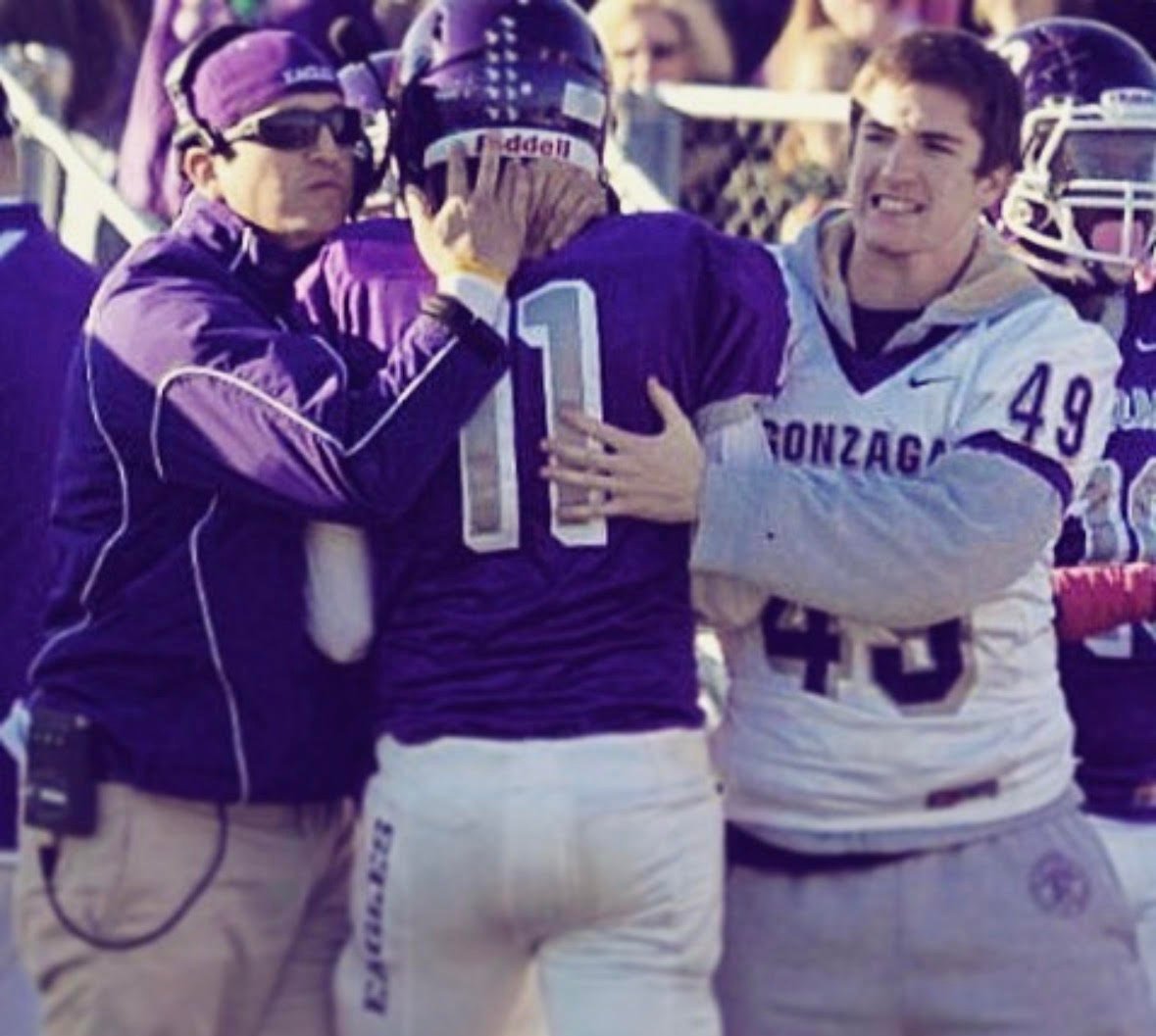
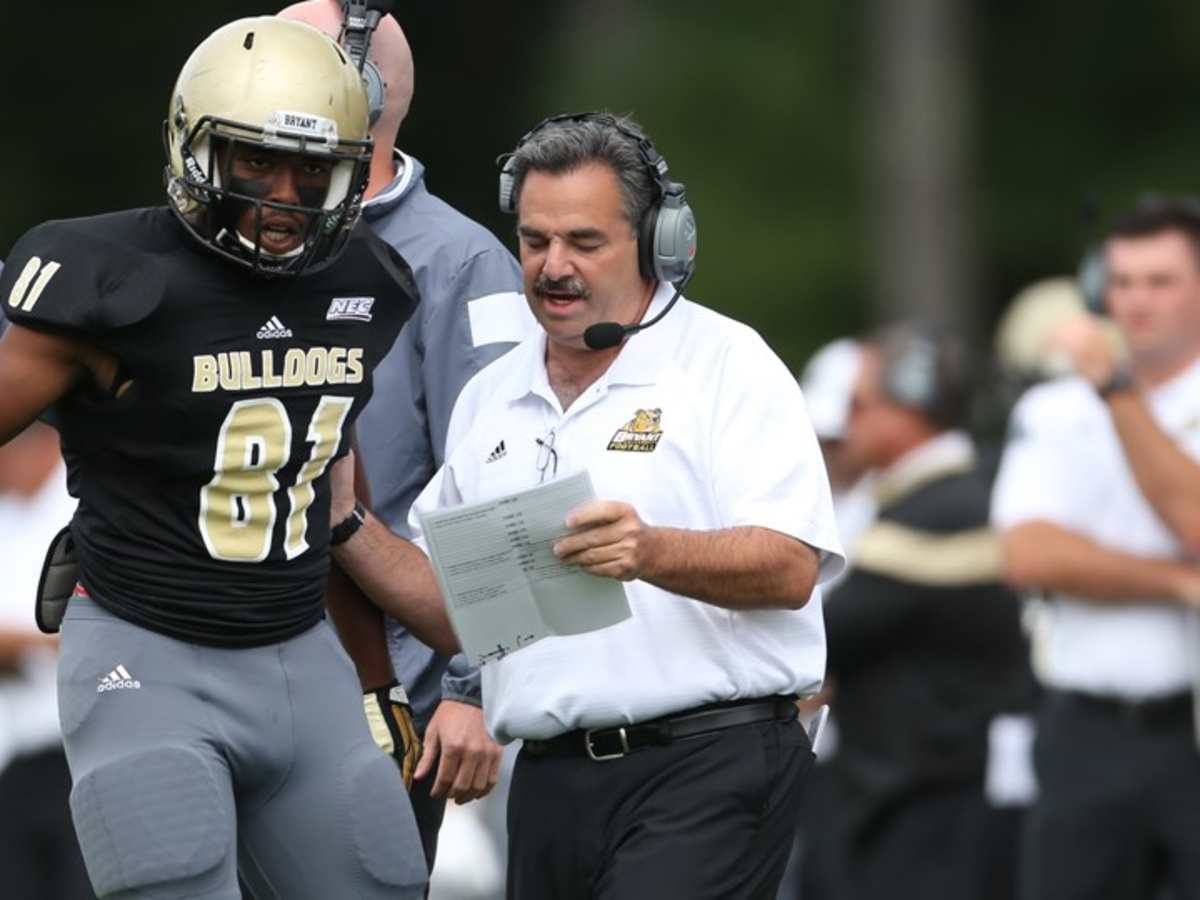
Rather, the moment reminded me of a quote my college Head Coach Marty Fine used to repeat over and over in our Quarterback room:
“Don’t take a bad play and make it a catastrophe.” - Coach Marty Fine
In my effort to share the lessons I learned playing sports and connecting them to our professional endeavors, I can think of so many parallels in our day to day work lives. Maybe you completely spaced on an assignment at work or dropped the (figurative) ball on a deliverable for a client. Perhaps a colleague was counting on some help, and you failed to come through. In my experience, there’s basically two ways you can go: come clean on your shortfall, take the sack, learn from it, and move on. Or you can double down on the mistake with a lie, or subpar rushed work trying to sneak out of the bad play you yourself or unfortunate circumstances put you in.
At the end of the day, we’re all going to have our “spun around and underhand toss” moments. What defines us isn’t the bad play itself, but what we choose to do next. Owning the misstep, steadying ourselves, and responding with clarity and honesty not only keeps a bad play from becoming a catastrophe but it builds trust, resiliency, and long-term credibility to those around you.
Bad plays are going to happen but “don’t take a bad play and make it a catastrophe.”